
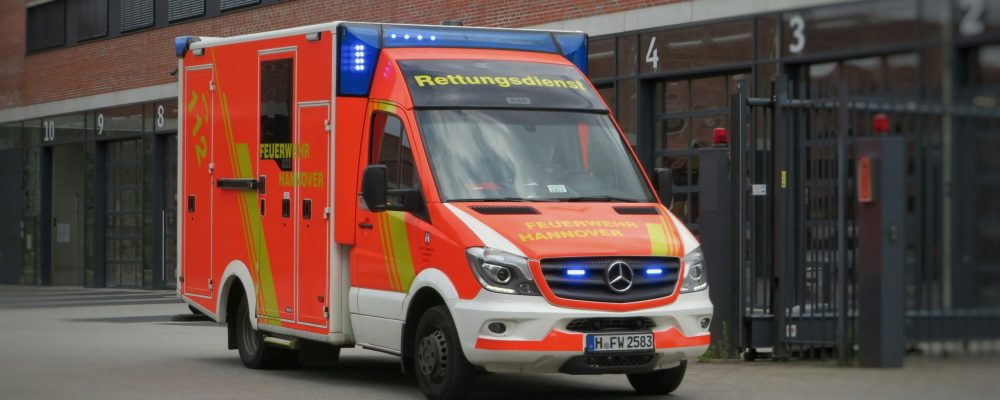
Custom Built Ambulances
Custom-built ambulances are specially engineered emergency medical vehicles specifically tailored to meet the unique requirements of emergency services, hospitals, private medical transport companies, and governmental agencies. They surpass standard factory models by incorporating customised features that enhance patient care, safety, and operational efficiency.
Before determining the most suitable product, custom-built ambulances necessitate careful consideration of various factors, including:
- Types of Custom-Built Ambulances
- Key Features and Customization Options
- Materials and Durability
Custom-built ambulances provide emergency medical teams with a reliable, efficient, and safe environment for life-saving operations. They are designed with advanced medical, safety, and communication features, ensuring a seamless patient transport and care process.
Types of Custom-Built Ambulances
Type I Ambulance:
The structure is based on a robust truck chassis with a uniquely designed cab and a dedicated patient compartment. It is optimally engineered for navigating challenging terrains and for use in high-demand emergency response scenarios. This vehicle is commonly utilised by fire departments and advanced life support (ALS) services.
Type II Ambulance:
A van-based ambulance equipped with a modified interior designed to accommodate medical equipment. This vehicle is more compact, fuel-efficient, and designed for enhanced maneuverability in urban environments. It is primarily utilised for essential life support (BLS) services and non-emergency medical transportation.
Type III Ambulance:
Constructed upon a cutaway van chassis, this vehicle seamlessly integrates the cab and the patient compartment. It balances spatial dimensions, maneuverability, and medical functionality harmoniously. Moreover, it is utilised by both Advanced Life Support (ALS) and Basic Life Support (BLS) teams.
Medium – Heavy Duties Ambulances:
This vehicle is meticulously designed on an expanded truck or bus chassis to accommodate specialized transportation needs. It is employed for mass casualty incidents, neonatal intensive care transport, or the conveyance of bariatric patients.
Key Features & Customization Options
Interior Design & Layout:
The design incorporates modular workspaces that facilitate the customizable arrangement of cabinets, shelves, and workstations, which is imperative for promoting efficient medical care. Furthermore, the seating configurations are adaptable, capable of accommodating either single or multiple paramedics, and are designed in accordance with ergonomic principles to ensure comfort during operations. Finally, the stretcher mounting systems are adjustable and secure, specifically tailored to address various patient conditions, thereby enhancing safety and accessibility.
Medical Equipment Integration:
The facility is outfitted with vital life-support systems to guarantee patient safety and care. These systems encompass integrated tanks and outlets for emergency respiratory assistance via oxygen apparatus, built-in storage and mounting points for critical life-saving equipment such as defibrillators and monitors, as well as both wall-mounted and portable suction units engineered for efficient airway management.
Electrical & Lighting Systems:
Power inverters and battery systems deliver redundant power supplies for medical devices, thereby ensuring continuous functionality. LED emergency lighting incorporates bespoke configurations tailored for nocturnal operations and enhanced safety. Furthermore, interior ambient lighting facilitates adjustable brightness, thereby promoting patient comfort and enhancing paramedic efficiency during patient care.
Safety & Security Enhancements:
The vehicle has various crash-tested safety features, including a robust chassis and frame to safeguard occupants. It also incorporates ergonomic restraint systems, like secure seatbelts and stretcher fasteners, to ensure the safety of everyone on board. Additionally, automatic door locks and access control enhance patient compartment and equipment storage security, improving overall safety and accessibility.
Climate Control & Ventilation:
Advanced HVAC Systems and HEPA Filtration Systems are integral components in healthcare settings. The HVAC systems provide climate-controlled interiors, ensuring a stable environment that contributes to the comfort and safety of patients. Meanwhile, HEPA filtration systems play a crucial role in air purification, effectively preventing the spread of infections by removing airborne particles and contaminants. Together, these systems significantly enhance the overall health and well-being of both patients and staff.
Communication & Navigation Systems:
Two-way radios and GPS tracking provide essential real-time communication with dispatch teams and hospitals. This technology ensures that critical information flows seamlessly during emergencies. Telemedicine capabilities facilitate remote consultations with doctors while patients are in transit. This allows for immediate medical guidance and support when needed.
Materials & Durability
Materials & Durability
The materials used in construction include high-strength aluminum or stainless steel, ensuring exceptional durability and impact resistance. To further enhance the longevity of the vehicle, corrosion-resistant coatings are applied, providing extended lifespan against environmental factors.
Interior Materials:
The utilization of anti-microbial surfaces is essential for effective infection control. These surfaces proficiently impede the proliferation of harmful microorganisms and are designed for ease of cleaning, thereby fostering a hygienic environment. In addition to infection control, the incorporation of fire-resistant and impact-absorbing materials significantly enhances safety. These materials are instrumental in reducing the likelihood of injuries and mitigating fire risks across various settings.