
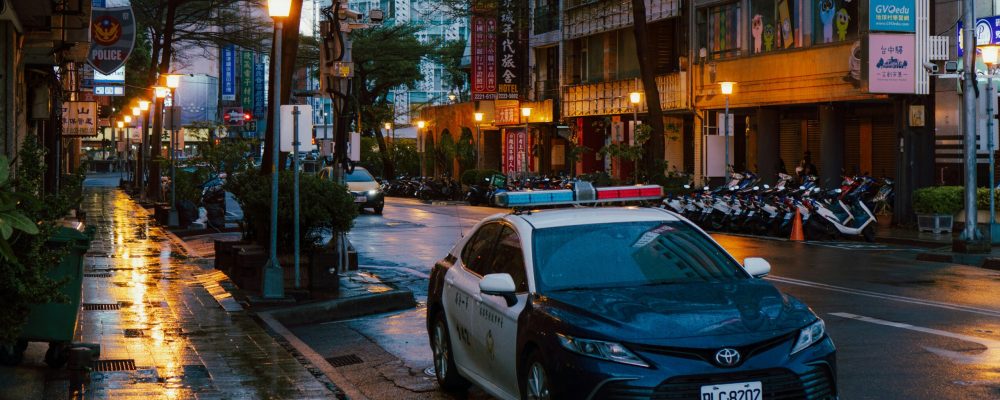
Security Vehicles
Security vehicles are meticulously designed to protect against threats, explosives, and various forms of aggression. These vehicles cater to a diverse range of users, including military personnel, law enforcement agencies, government officials, and private individuals seeking enhanced security.
Security vehicles involve several factors to consider before finalising the most suitable product:
1. Design & Construction
2. Materials
3. Types of Security Vehicles
4. Levels of Protection
5. Environment & Key Factors
Security vehicles are essential for ensuring safety in high-risk environments. Their design, materials, and construction are meticulously tailored to provide optimum protection while preserving functionality. Regardless of whether employed for military, law enforcement, or civilian purposes, these vehicles fulfil a crucial role in contemporary security and defence.
Design & Construction
Security vehicles are constructed with reinforced structures and materials to endure various threats. The design emphasises the balance of protection, weight, and mobility.
Key Design Features:
- Reinforced Chassis: The foundational structure has been strengthened to accommodate the extra weight.
- Ballistic Glass: Windows are constructed from multi-layered, transparent materials (such as polycarbonate and glass).
- Security Plating: High-strength materials, such as steel, titanium, or composite alloys, are employed to safeguard against various threats.
- Run-flat tyres: Tyres are designed to function even after being punctured, enabling the vehicle to escape hazardous situations.
- Sealed Interiors: Safeguarding against chemical, biological, radiological, and nuclear (CBRN) threats.
Materials
The materials employed in security vehicles are meticulously selected based on their strength, durability, and weight considerations.
Materials:
- Steel: A conventional material that offers significant protection at a relatively low cost.
- Titanium: Characterised by its lightweight and robust properties, this material is frequently utilised in high-end security vehicles.
- Composite Protection: Comprising layers of substances such as ceramics, Kevlar, and fibreglass, this enhances protection while minimising weight.
- Aramid Fibres (e.g., Kevlar): Known for their lightweight and flexible characteristics, these fibres are primarily employed in bulletproof vests and interior components of vehicles.
- Transparent Protection: This consists of multi-layered glass and polycarbonate for windows and windscreens.
Types of Security Vehicles
Security vehicles are classified according to their intended function and protective capabilities.
- Personnel Carriers (PCs): Engineered for the secure transportation of military personnel within combat environments.
- Riot Control Vehicles: Equipped with non-lethal weaponry designed to endure projectile impacts.
- Executive Protection Vehicles: High-end automobiles fortified with security to ensure the safety of high-profile individuals.
- Cash-in-Transit Vehicles: Utilised for the secure conveyance of valuable assets, including cash and jewellery.
- Security Trucks: Intended for transporting goods in hazardous regions.
- Security SUVs and Sedans: Favoured options for both individuals and corporate entities.
Environment and Key Factors
Security vehicles are employed in various situations where security is of paramount importance.
- Law Enforcement: Engaging in high-risk operations, conducting hostage rescues, and managing riot control.
- Government: Facilitating the transportation of dignitaries and officials within conflict zones.
- Private Sector: Ensuring protection for executives, celebrities, and high-net-worth individuals.
- Commercial: Providing secure transportation of cash, valuable items, and sensitive materials.
When designing or selecting a security vehicle, several factors must be considered:
- Threat Level: The type of threats the car will encounter.
- Weight and Mobility: Balancing protection with the vehicle’s speed and manoeuvrability.
- Cost: Premium materials and customisation can significantly increase expenses.
- Maintenance: Security vehicles require specialised maintenance to ensure ongoing protection.