
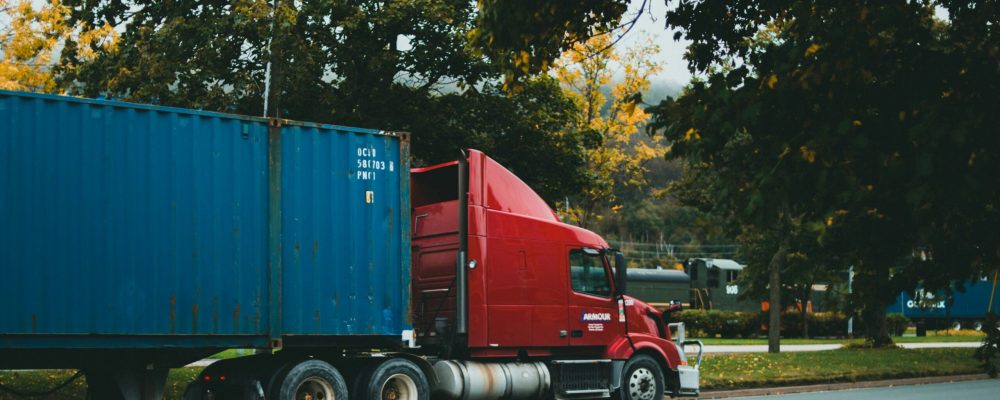
Trucks, Trailers & Cargo Bodies
Trucks are sturdy vehicles specifically designed for transporting goods, equipment, and materials over short and long distances. They are offered in various sizes, configurations, and capabilities dictated by their designated applications. Trailers are affixed to trucks to enhance cargo capacity and facilitate the movement of specialised loads.
Trucks, trailers, and cargo bodies play a crucial role in transportation, contributing to various industry needs. They enhance efficiency by facilitating the transport of various cargo types. Their versatility is evident in the different combinations of trucks and trailers designed to meet specific transport requirements. Additionally, they promote cost-effectiveness by maximizing load capacity, which in turn reduces transportation costs. Furthermore, safety and protection are paramount, as enclosed bodies and specialized trailers not only safeguard cargo but also ensure compliance with regulations.
Trucks, trailers, and cargo bodies are essential to the logistics and transportation industry. The selection of the appropriate combination ensures efficient, safe, and cost-effective transportation of goods, materials, and equipment across various sectors.
Types of Trucks
Small Commercial & Delivery Trucks (Light Duty)
Pickup trucks are small vehicles equipped with an open cargo area, making them suitable for various applications, including personal use, commercial purposes, and light-duty tasks. Conversely, mini trucks are more compact in design and specifically tailored for urban deliveries and transportation within construction sites. Finally, panel vans are fully enclosed vehicles that facilitate secure cargo transport and are commonly used as delivery vans.
Commercial Transport & Logistics Trucks (Medium Duty)
Box trucks are enclosed cargo vehicles predominantly used for transporting goods, particularly in delivery services and furniture relocation. Refrigerated trucks fulfill an essential function by providing a temperature-controlled environment for perishable items, including food products and pharmaceuticals. Conversely, flatbed trucks are designed with an open deck to accommodate oversized cargo, construction materials, and diverse types of equipment.
Industrial & Freight Transportation Trucks (Heavy Duty)
Semi-trucks, or tractor-trailers, are the primary vehicles for long-haul transport, pulling various trailers. Dump trucks, on the other hand, are specifically designed to transport and unload loose materials such as sand, gravel, and debris. Tanker trucks are critical in transporting liquids, including fuel, chemicals, water, and gases. Lastly, garbage trucks are specialised vehicles dedicated to waste collection and disposal, ensuring efficient waste management in our communities.
Types of Trailers
Flat Bed Trailers
The standard flatbed trailer is an open trailer without sides or a roof, commonly used for transporting oversized cargo such as machinery and building materials. The step deck, or drop deck, trailer has a lower deck to accommodate taller cargo while ensuring adequate road clearance. Finally, the extendable flatbed trailer is specifically designed for carrying extra-long loads, including steel beams and large pipes.
Enclosed Trailers
Dry van trailers are fully enclosed and used for transporting general freight, effectively protecting goods from adverse weather conditions and theft. Refrigerated (reefer) trailers, on the other hand, are temperature-controlled and are employed to convey perishable items. Lastly, livestock trailers are designed to be enclosed yet ventilated, ensuring the safe transportation of animals.
Tanker Trailers
Fuel tankers are specifically designed for the transport of liquid fuels, such as petrol and diesel. Chemical tankers, conversely, are used to carry hazardous chemicals and various industrial liquids. Furthermore, water tankers are constructed to transport large volumes of water for purposes including construction, agriculture, and firefighting.
Heavy-Duty & Specialized Trailers
Lowboy trailers are ultra-low deck trailers specifically designed for transporting heavy equipment such as bulldozers and cranes. Side-dump trailers, which feature hydraulic mechanisms, enable the tilting of cargo to the side, thus facilitating quicker unloading. Multi-axle trailers are employed for carrying extremely heavy loads, including industrial machinery and transformers.
Types of Cargo Bodies
Open Cargo Bodies
The flatbed body is an open platform without sides, specifically designed for transporting large and heavy loads. In contrast, the drop-side body incorporates removable side panels that facilitate easy loading and unloading of cargo. Additionally, the tipper body, also known as a dump body, is equipped with a hydraulic mechanism that enables the disposal of materials such as sand or gravel.
Enclosed Cargo Bodies
The Box Body, commonly referred to as a Dry Van, is a fully enclosed structure designed for transporting general freight and parcel deliveries. In contrast, the Refrigerated Body is fitted with sophisticated cooling systems, making it suitable for the transport of perishable goods. Furthermore, the Curtainsider Body features sliding curtains that facilitate easy side access to cargo while providing protection against the elements.